The origin of Celtic Rewilding began as merging of a belief and vision between two childhood friends; that Britain was once truly wild, and could be, again.
The foundations of the company were laid long before it had a name. After years of caring for and captive breeding various rare and extinct British species as teenagers in their parent’s back gardens, Harvey Tweats and Tom Whitehurst founded the company in 2020. During the dark and gloomy times of the COVID pandemic hope was very much in high demand. At that time, rewilding captured the public imagination as an escape from the scary headlines. Yet, the practical and scientific work of species reintroduction remained the preserve of relatively few organisations.
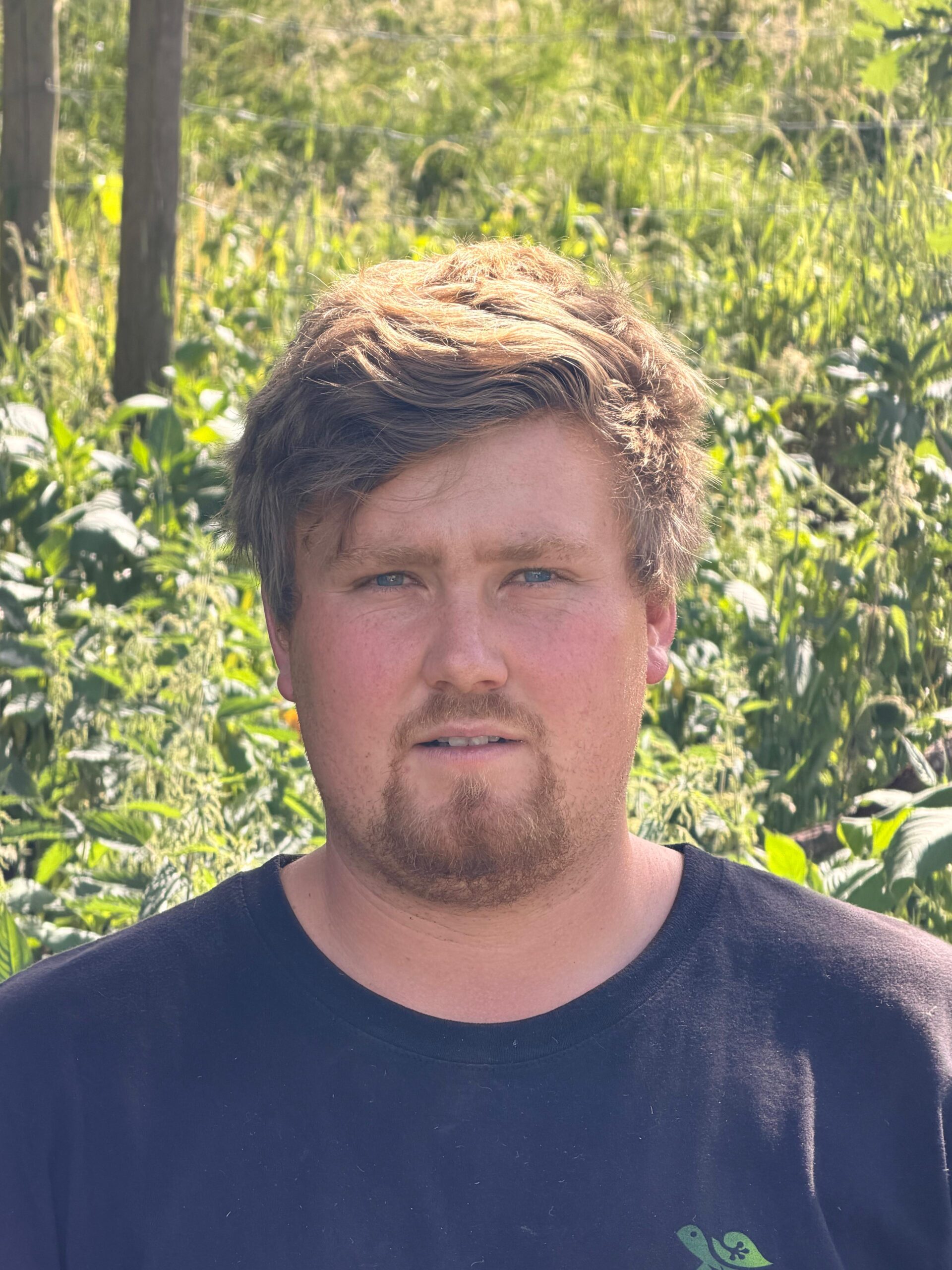
Tom Whitehurst and Harvey Tweats with their back garden facilities in Staffordshire. Photograph: Christopher Thomond/The Guardian
In our early years we were fortunate to find supporters who shared that vision and were willing to back a young organisation. We very much thank those people for their undeterred support. The first projects taught us that successful rewilding depends as much on relationships with landowners, regulators and communities as on sound ecology. E11very stage remains vital, from establishing historical presence to sourcing founder stock and managing disease risk.
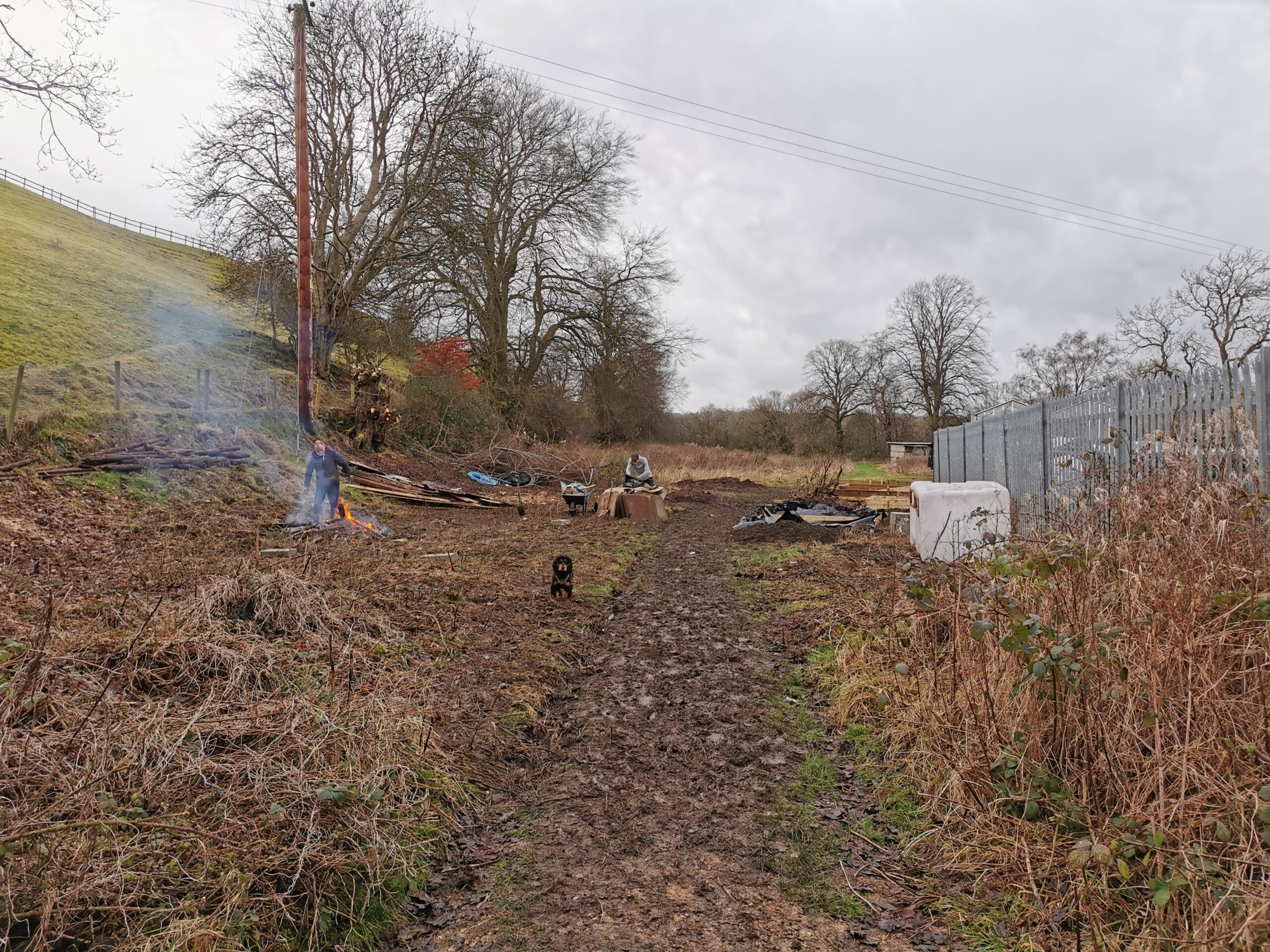
What would become the largest captive breeding facility of extinct frogs in the UK circa. 2020
The Defining Moment
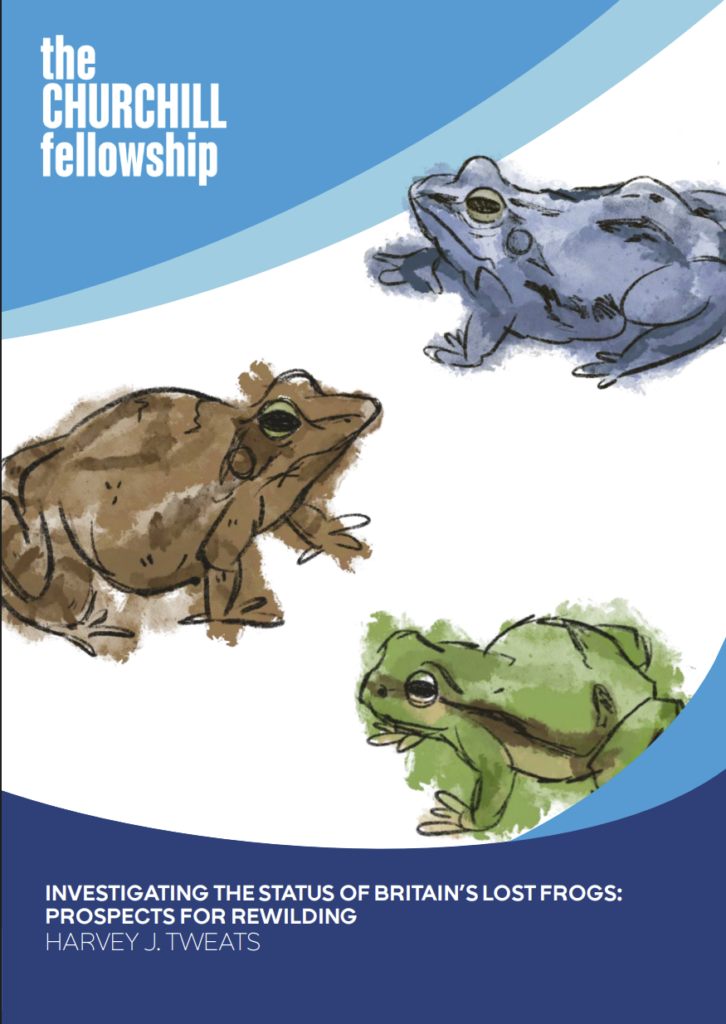
A defining moment came with Director and Co-founder Harvey’s Churchill Fellowship. This took him across Denmark, Germany, the Netherlands, Belgium and France to investigate the historical and ecological evidence for species lost from Britain. The Fellowship shaped our research-first philosophy and connected us with practitioners and scientists across Europe whose experience continues to inform our approach. Parts of Europe, such as the Netherlands, have pioneered the approach to rewilding. Reintroducing lost processes, such as megaherbivores, predation, and ecosystem engineers such as Beavers and Wild Boar, and then stepping back, for the most part, and allowing nature to take its course. While Belgium has mastered the art of captive breeding aquatic animals for release, restoring species such as Spadefoot and Midwife Toads, Tree Frogs, and the enigmatic UK-lost codfish, the Burbot.
A status review of Britain's Lost Frogs
The Evolution of Celtic Rewilding
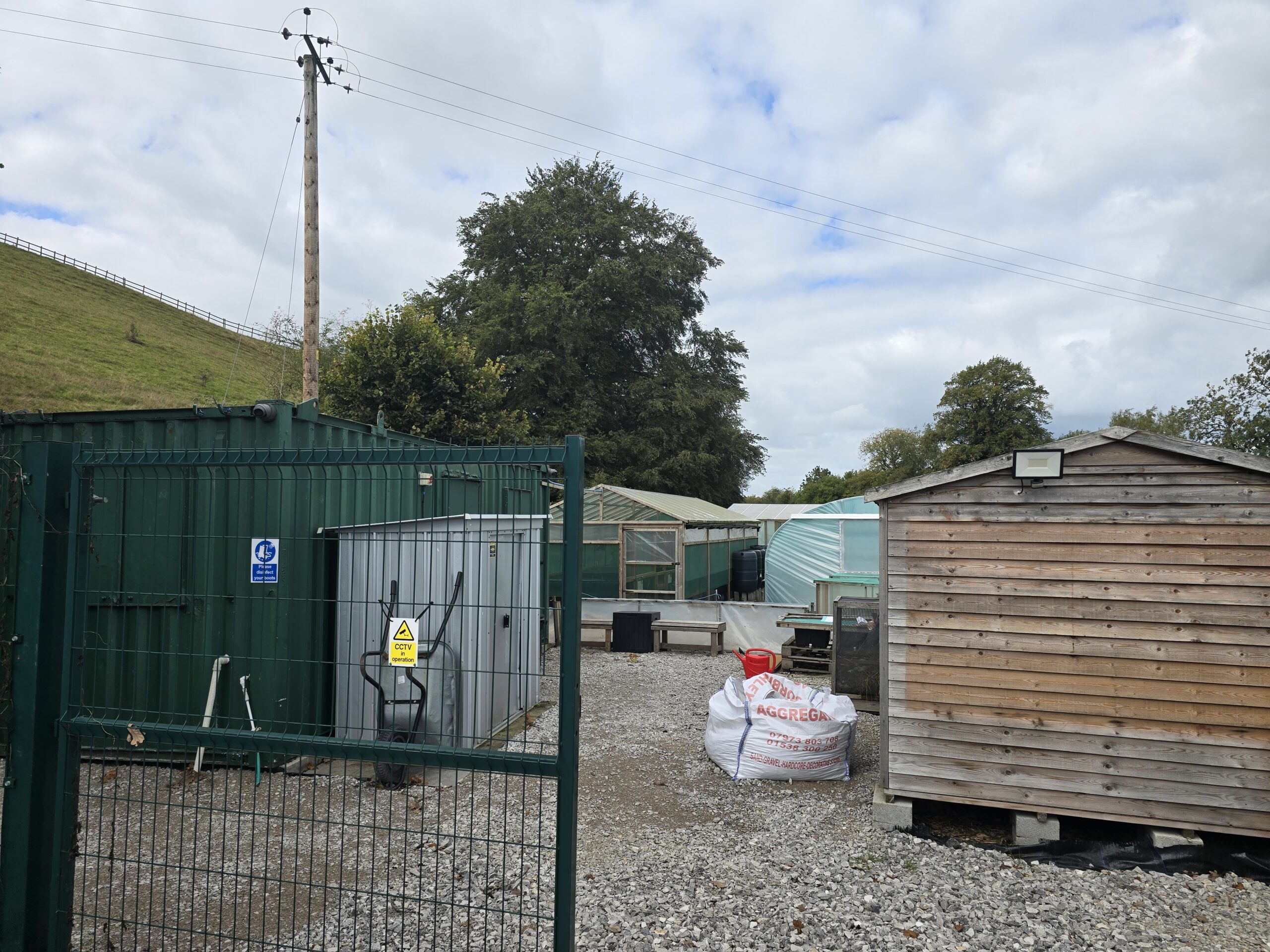
The captive breeding facility entrance as of September 2027
Celtic Rewilding has grown into a consultancy with a portfolio of reintroduction programmes. Work includes amphibians, reptiles, insects and birds. We now work alongside universities, wildlife trusts, zoological institutions, private estates and farmers. We’ve also extended our expertise into ecological consultancy for development sites and creative productions. Throughout that growth, our founding principles have remained unchanged. Every project must rest on evidence. Each job Must be delivered with care for the animals involved. And most of all we must leave the landscape richer than we found it.
The Problem
For decades, much of Britain’s conservation sector has been shaped by caution. Established organisations, understandably protective of hard-won public trust, have too often allowed the preservation of reputation to take precedence over the restoration of nature, favouring consultation over commitment and deferring decisions until every uncertainty has been resolved. Meanwhile, the species we have lost remain absent, and those that remain continue to decline. Celtic Rewilding was founded on a different premise. We believe that the greater risk lies not in acting, but in failing to act while the opportunity to restore our landscapes still exists. The climate is changing, habitats are fragmenting, with 1 in 6 species threatened with extinction from Britain where only a decade ago that was 1 in 10! And so the window for meaningful intervention is narrowing; the time for action is now.
The Solution
We remain, at heart, a small team with a large ambition. We believe that the species Britain has lost need not be consigned to history, and we are committed to proving that carefully planned, scientifically grounded reintroduction can restore them to the places where they belong. At the same time, we want to improve the status of entire ecosystems. Rewilding shows us a way forward to creating bio-abundance where traditional conservation has found difficulty. This is because the cause of much wildlife loss is rooted in economics. In rebuilding entire systems en masse, we can actually deliver financial benefits to landowners through income streams such as natural capital, farm payments, ecotourism, and organic free-range meat, which in many instances are more lucrative than traditional farming or other land uses.
The Story Behind the Name
The Name
The name ‘Celtic Rewilding’ takes inspiration from the Celtic period, occurring roughly 1200 BCE to the 1st century CE. Without being overly romantic, this period represents a particular time when nature was quite intact in Britain. People lived in a somewhat harmony with the natural world. At that time, vast wetlands covered up to 50% of Britain, with great wildwoods sprawling from coast to coast.
The Story
Species like Aurochs – the wild forest cattle of Europe, Red Deer, Moose, Wild Boar, and Eurasian Beavers affected much of this wild kingdom. Grazing, dunging, rootling, felling, and dam building behaviours generate opportunities for Britain’s wildlife. With herbivores come predators. Britain once had the Lynx, Grey Wolf, and the mighty Brown Bear which would keep herbivore populations in-check. The heavens would be filled with bird life, including the avian giants comprised of Common Crane, White Stork, and even Dalmatian Pelican. The herpetofauna would have been extraordinary, with European Pond Turtles basking in steamy swamps, Agile Frogs leaping through wooded savannahs, Moor Frogs turning their azure-blue hues on boggy land come the spring time.
The noises of abundant life would have been like a solid wall in places. Historical records indicated that Pool Frog choruses were that loud that their silence come late summer was celebrated! Perhaps the “frog of excellent parrat green” – the European Tree Frog – contributed to this cacophony, calling from the reedy margins of shallow ponds.
The three lost frog species, the Agile Frog, the Moor Frog and the European Tree Frog. Photograph: Getty Images
The Inspiration
While rewilding should not be about ‘going back’ to a particular time, the past serves as our inspiration for rebuilding a more productive, nature-rich, and hopeful future. The great Dutch ecologist Frans Vera said it best: “the intention is not to try to recreate the past. That will always be impossible. Our world is irrevocably changed. But we can try and create something interesting and valuable with nature, using the components that are left to us.”